Discover the Important Motorcycle Parts You Need for Optimum Efficiency
Understanding the important parts of a bike is essential for attaining peak performance. Each part, from the engine to the stopping system, plays a critical duty in overall capability and safety. Routine upkeep can prevent unexpected failings and enhance the riding experience. Nonetheless, several bikers forget the details of these systems. Discovering exactly how they work with each other can cause a much more effective trip. What crucial parts should every motorcyclist focus on?
The Engine: The Heart of Your Bike
The engine functions as the core element of a bike, driving its efficiency and defining its capabilities. It is liable for transforming fuel into power, which powers the bike ahead. Various kinds of engines are utilized, consisting of single-cylinder, V-twin, and inline configurations, each offering distinctive features fit for different riding objectives and designs. The engine size, typically gauged in cubic centimeters (cc), significantly affects efficiency, with larger engines generally giving even more power and torque.Furthermore, the engine's design and innovation, such as gas injection systems or air-cooling versus liquid-cooling, impact effectiveness and dependability. Maintenance is essential for peak operation; elements like routine oil adjustments and checking trigger connects warranty durability. Riders usually consider an engine's responsiveness and level of smoothness, as these attributes enhance the general riding experience. Inevitably, the engine stays a critical element that specifies not just the motorbike's performance yet additionally the motorcyclist's connection to the device.
The Transmission: Shifting Gears Efficiently
The transmission plays a necessary function in a motorbike's efficiency, particularly in the technicians of equipment shifting. Understanding just how to change gears efficiently can improve the general riding experience, while normal maintenance warranties peak capability. Proper focus to these facets can significantly impact the durability and efficiency of the motorbike.
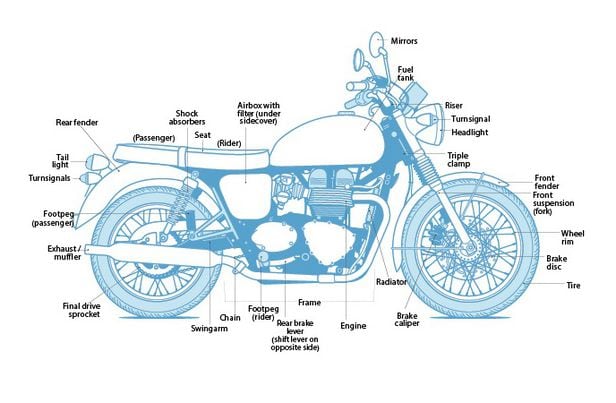
Equipment Shifting Mechanics
Smooth equipment shifting is important for optimal motorbike efficiency, significantly affecting both velocity and control. The mechanics of gear shifting include the communication in between the clutch, gear bar, and transmission system. When a biker engages the clutch, it disengages the engine from the transmission, enabling an equipment adjustment without harming the components. A well-timed release of the clutch, integrated with specific activity of the gear lever, assists in a smooth modification in between gears. This procedure ensures that the engine operates within its best power band, boosting efficiency. Motorcycle Spares Christchurch. Additionally, comprehending the equipment proportions and their impact on speed and torque can assist cyclists make educated choices throughout changes, inevitably contributing to a much more enjoyable and receptive riding experience
Upkeep Tips Importance
Regular upkeep plays a vital function in guaranteeing that the transmission system runs efficiently, permitting smooth gear shifts. Regularly inspecting and changing the transmission liquid is crucial, as old liquid can cause raised friction and wear. In addition, checking the clutch for wear assurances peak interaction and disengagement, avoiding slippage throughout gear modifications. Lubrication of moving components is equally essential to minimize rubbing and enhance efficiency. Bike owners must also check for leaks and uncommon noises, as these can suggest underlying issues. By adhering to these upkeep suggestions, riders can prolong the life-span of their transmission system, ensuring that equipment changes continue to be seamless and adding to the general efficiency of their motorbike.
The Braking System: Ensuring Safety on Every Trip
Braking systems are fundamental elements that directly influence a motorcycle's safety and security and efficiency. They include numerous parts, consisting of brake pads, rotors, calipers, and hydraulic lines, all collaborating to ensure effective deceleration. The kind of braking system-- typically either disc or drum-- influences responsiveness and quiting power.Regular upkeep is crucial to support peak efficiency; used brake pads can lead to reduced performance and boosted quiting distances. In addition, the top quality of brake fluid must be monitored, as it can soak up dampness with time, jeopardizing braking efficiency.Riders should additionally think about the value of anti-lock stopping systems (ABDOMINAL MUSCLE), which protect against wheel lockup throughout sudden quits, boosting general safety and security. Appropriately functioning brakes are not almost quiting; they impart confidence in the biker, enabling for safer navigation with various surfaces. Ultimately, a dependable braking system is essential for delighting in every adventure with assurance.
The Suspension: Enhancing Comfort and Control
A well-functioning suspension system significantly adds to a motorbike's overall efficiency, enhancing the efficiency of the stopping system. The suspension plays a substantial role in taking in shocks from unequal surface areas, guaranteeing a smoother trip while maintaining tire call with the road. This get in touch with is crucial for both security and control, enabling cyclists to navigate edges with confidence and precision.Different kinds of shock absorber, such as telescopic forks or mono-shocks, provide varying levels of convenience and handling. Properly tuned suspension boosts responsiveness, offering the cyclist with an extra connected feel to the motorcycle. Normal maintenance checks are important to identify the suspension parts, including dampers and springs, are operating at their best. An efficient shock absorber not just elevates the riding experience yet likewise contributes to the long life of various other motorcycle components by minimizing deterioration. Because of this, buying top quality suspension is important for any serious motorbike lover.
The Tires: Attaching You to the Road
Tires play an essential function in a motorbike's performance, serving as the key web link in between the cyclist and the roadway. Understanding the different sorts of tires offered can significantly affect taking care of and security. Additionally, normal maintenance is essential to guarantee peak tire performance and long life.
Tire Enters Explained
Just how do various tire types influence a motorbike's performance? Tire kinds play an important function in figuring out a motorbike's security, grasp, and handling. Sport tires, made for high performance, deal enhanced traction and responsiveness on smooth roadways, making them ideal for racing and aggressive riding. Alternatively, exploring tires focus on toughness and comfort, providing a smoother ride for long-distance travel. Off-road tires, characterized view it now by their rugged tread patterns, master grip on unpaved surfaces, suitable for experience fanatics. Additionally, dual-sport tires mix qualities from both on-road and off-road classifications, satisfying versatile riding demands. Inevitably, selecting the ideal tire kind is essential for enhancing efficiency, ensuring safety, and boosting the overall riding experience.
Upkeep Tips Offered
While riding when traveling, keeping perfect tire condition is vital for safety and performance. Routinely inspecting tire stress is necessary, as under-inflated tires can lead to bad handling and increased wear. It is advisable to check tread deepness frequently; used tires compromise grip and stability. Furthermore, cyclists ought to search for signs of damages, such as lumps or fractures, which can indicate the demand for substitute. Rotating tires periodically guarantees also put on, boosting long life. Maintaining tires clean from debris and staying clear of excessive aesthetics can lengthen their life expectancy. Lastly, maintaining proper placement and balance adds to come to a head efficiency, minimizing anxiety on various other bike elements. Following these maintenance suggestions will considerably boost the overall riding experience.
The Gas System: Fueling Efficiency and Performance
The fuel system plays an essential duty in taking full advantage of a motorbike's efficiency and effectiveness, as it assures the optimum distribution of gas to the engine. It comprises several crucial parts, including the gas tank, gas pump, fuel filter, and fuel injectors or carburetor. Each component must function efficiently to guarantee a powerful have a peek at these guys and smooth ride.The fuel container stores fuel and provides it to the engine via the gas pump, which produces the needed pressure. A gas filter stops impurities from getting in the engine, while the injectors or carburetor mix fuel with air for combustion.Proper maintenance of the fuel system is critical; a stopped up filter or malfunctioning injector can cause lowered efficiency and boosted gas usage. By verifying that the fuel system operates efficiently, riders can enjoy enhanced throttle feedback, much better gas economic climate, and on the whole improved riding experience.
The Electrical System: Powering Your Ride
An efficient electric system is essential for the overall functionality and safety of a motorcycle, as it powers important components such as the ignition, lights, and various electronic systems. This system consists of the battery, which shops energy, and the generator, in charge of generating power while the engine runs. The electrical wiring harness connects these elements, ensuring trustworthy power distribution.Additionally, merges shield the system from overloads, while relays aid manage high-current gadgets with low-power signals. A well-maintained electrical system enhances efficiency by making certain smooth beginnings and constant procedure of signals and lights, essential for motorcyclist presence and safety.Regular checks of the battery's fee and connections are vital for stopping electric failures. Motorcyclists should additionally check electrical wiring for wear and tear, guaranteeing all parts work preferably. Inevitably, a robust electric system adds substantially to the general performance and dependability of the motorcycle.
Often Asked Questions
How Often Should I Change My Bike's Battery?
The frequency of motorcycle battery substitute depends on use and upkeep (Oem Parts New Zealand). Generally, batteries should be changed every three to 5 years. Normal checks can aid identify when a substitute is necessary for peak efficiency
What Tools Do I Need for Standard Motorcycle Upkeep?
For basic motorcycle upkeep, one calls for important devices such as an outlet set, wrenches, screwdrivers, pliers, tire pressure gauge, and a torque wrench. These devices assist in efficient maintenance and guarantee the motorcycle runs successfully and safely.
Exactly How Can I Improve My Motorbike's The rules of aerodynamics?
To boost motorcycle aerodynamics, one should take into consideration adjusting important site fairings, making use of windscreen expansions, maximizing body setting, and minimizing total weight. These alterations help reduce drag, improving stability and fuel efficiency throughout trips.
What Are the Indications of a Failing Electrical System?
Signs of a stopping working electrical system consist of lowering lights, difficulty beginning, uneven instrument readings, and blown fuses. Motorcycle Parts Auckland. Uncommon scents or corrosion around battery terminals may additionally indicate underlying concerns requiring immediate focus for safety and performance

Exactly how Do I Select the Right Oil for My Motorcycle?
When selecting oil for a motorcycle, one should take into consideration the maker's requirements, thickness scores, and the sort of riding. Furthermore, standard versus artificial oil can impact performance and engine security, affecting the choice significantly. The engine dimension, usually measured in cubic centimeters (cc), considerably influences performance, with larger engines normally giving even more power and torque.Furthermore, the engine's layout and modern technology, such as gas injection systems or air-cooling versus liquid-cooling, affect efficiency and integrity. A well-functioning suspension system substantially adds to a motorbike's general performance, matching the efficiency of the braking system. The gas system plays a crucial function in taking full advantage of a motorcycle's performance and efficiency, as it guarantees the optimum distribution of gas to the engine. A gas filter protects against contaminants from entering the engine, while the injectors or carburetor mix gas with air for combustion.Proper maintenance of the gas system is vital; a clogged filter or malfunctioning injector can lead to reduced efficiency and increased gas consumption. A well-maintained electrical system improves performance by guaranteeing smooth beginnings and constant procedure of signals and lights, essential for biker exposure and safety.Regular checks of the battery's cost and connections are vital for preventing electrical failings.